
April 9, 2026

While GS-441524 has shown strong therapeutic potential, treatment outcomes are not determined by the drug alone. Several practical factors can significantly affect recovery.
1. Product Purity and Bioavailability
The quality of the product used is one of the most important variables in treatment success.
A high-purity GS-441524 formulation generally offers several advantages:
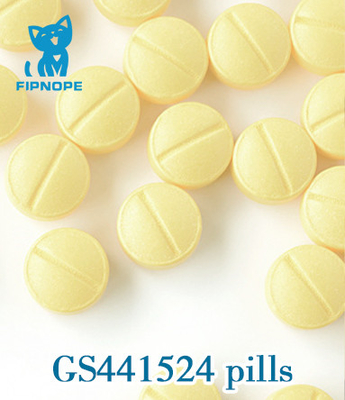
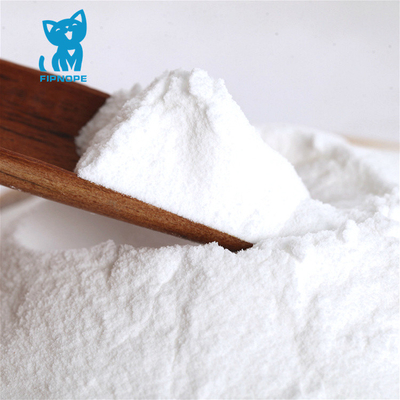
GS-441524 is also recognized as a key antiviral nucleoside analog associated with the development pathway of Remdesivir. In pharmaceutical applications, purity matters greatly because even small inconsistencies can influence treatment response.
High-quality injectable formulations, such as 20 mg/mL or 30 mg/mL GS-441524 injections, are often valued for their rapid absorption and reliable systemic delivery, especially during the early or more severe stages of disease.
2. Following the Treatment Protocol Correctly
(1) Accurate Dosing
One of the most important parts of FIP treatment is making sure the dose is appropriate for the cat’s specific condition.
Dosing is typically based on several factors, including:
Body weight
Disease form (wet, dry, neurological, or ocular FIP)
Severity of symptoms
Risk of relapse or incomplete response
In many cases, the starting dose is approximately 4–10 mg/kg per day, although higher dosing is often required for neurological or ocular FIP, where viral control can be more difficult.
(2) Completing the Full Course
A standard GS-441524 treatment plan is generally recommended for at least 84 days.
Even if a cat appears much better halfway through treatment, stopping early can be risky. FIP can become deceptively quiet before it is fully controlled, and incomplete treatment may increase the likelihood of relapse.
Completing the full treatment duration remains one of the most important steps in achieving a stable, long-term outcome.
(3) Monitoring and Adjustments
Treatment should not be viewed as static. Regular follow-up is essential to evaluate response and make changes when needed.
Veterinarians commonly monitor:
For example, when the A/G ratio improves toward or above 0.8 and inflammatory markers such as SAA return to a normal range, the cat is often considered to be moving in the right direction.
3. Ongoing Veterinary and Treatment Support
Treating FIP is not simply about obtaining medication. It is a process that requires observation, adjustments, and informed decision-making throughout the full course.
Support can be especially valuable for:
At our company, we aim to support both pet owners and veterinarians with more than just product access. We also help provide practical guidance throughout the treatment journey so that care can be approached more systematically and with greater confidence.